
Lessons from Building RAG Applications that Actually Work
By 2025, building a Retrieval-Augmented Generation (RAG) system is no longer hard. The real challenge lies in making these systems useful for business, where data quality, information structure, personalization, and speed make or break adoption.
Context
With the maturity of open-source frameworks, setting up a RAG prototype can be done in half a day. Yet, many organizations struggle when they try to scale these prototypes into systems that deliver consistent insights to their teams.
We’ve worked with multiple organizations facing this challenge, especially those trying to break down their internal information silos. From these experiences, a few patterns stand out.
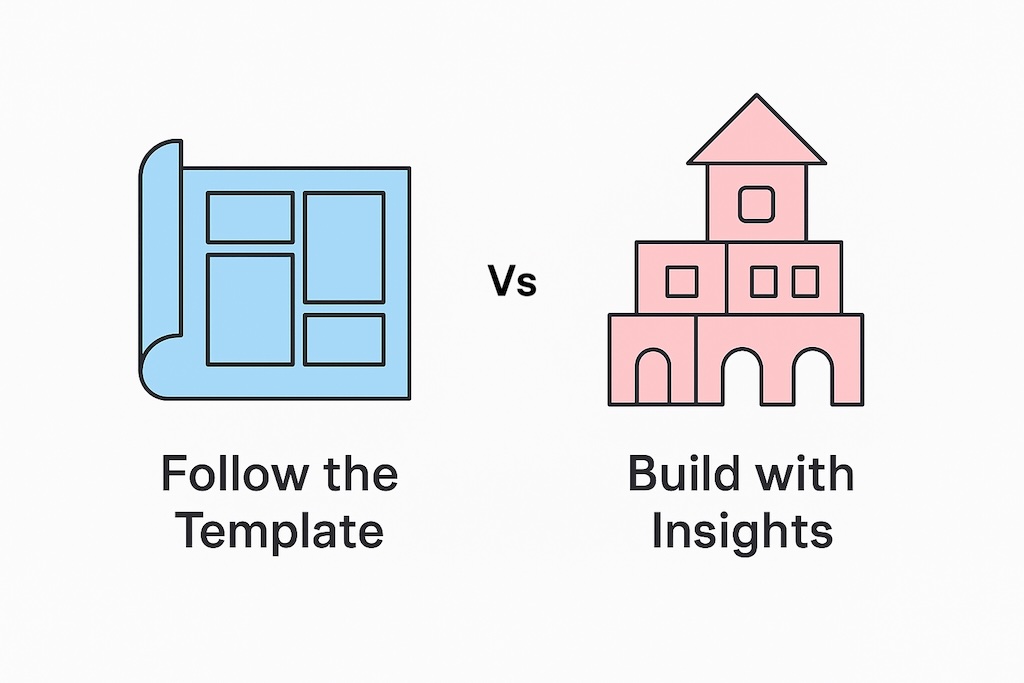
Key Lessons Learned
Data is the Foundation
Like any system, RAG is only as good as the data behind it. Poorly understood, poorly prepared data leads to irrelevant or misleading answers. Chunking strategy matters; logical, meaningful segmentation is crucial for retrieval to provide the right context to the LLM.
Data is Multi-Level
Documents are not flat. A simple list of chunks isn’t enough. Information must be represented as interconnected layers - sections, references, metadata; so the retrieval engine can assemble a context that reflects how humans actually read and understand.
User Personalization is Hard, but Essential
No one wants to repeat the same request over and over. Capturing user preferences and applying them in context is deceptively difficult. Without it, knowledge systems feel generic and impersonal, reducing adoption.
Speed Matters
Even if the data and personalization are solved, users won’t wait. Slow responses kill engagement. Balancing accuracy, personalization, and speed is a constant trade-off that requires engineering discipline
Data is Dynamic
RAG systems are not limited to static documents. Data can come from databases, APIs, or even external internet sources. Each of these sources changes at different frequencies, and building tools to bring them together; while still keeping response times acceptable is a real challenge
Closing Note
If your RAG-powered knowledge system still expects users to type long prompts instead of just speaking naturally, you’re already behind. Voice-first interfaces are no longer a “nice-to-have”; they’re becoming the default.